
"single origin Zambia"
50 article(s) found

Introduction to the Origin and Development of Zambian Coffee History and Geography Coffee beans from AA Lupili Manor, Zambia
Professional barista exchanges please follow the coffee workshop (Wechat official account cafe_style) Zambia AA Lupili Manor │ Zambia AA+ Lupili Estate Zambia the territory of Zambia is a little strange, the northern continent happens to protrude a large piece, just on the left side of Malawi, lower left of Tanzania, latitude is quite suitable for growing coffee, about the 1950s, from Kenya

Introduction to the Origin of single Coffee extraction leakage from Italian Coffee Machine
Coffee Origin Editor Africa Democratic Republic of the Congo: Kivu, Ituri Rwanda: Kivu Kenya: AA, Kenya AA Oreti Estate, Uganda: Elgon, Bugisu, Ruwensori Zambia: Kasama,

Coffee producing area single coffee fine coffee culture China Coffee Trading Network Raw Bean Merchants
Coffee Origin Editor Africa Democratic Republic of the Congo: Kivu, Ituri Rwanda: Kivu Kenya: AA, Kenya AA Oreti Estate, Uganda: Elgon, Bugisu, Ruwensori Zambia: Kasama,

Malawian Malawi Misu Kufeng producing area mzuzu | the flavor of a geisha in the sun geisha? How to cook
Professional coffee knowledge exchange more coffee bean information please follow the coffee workshop (Wechat official account cafe_style) Malawi Malawi Misu Kufeng producing area mzuzu | Sun geisha geisha flavor? How to cook it? Arabica coffee (Single Origin), which comes from a plateau 2000 meters north of Malawi and can only be harvested once a year. Coffee trees in high altitude producing areas

Individual Coffee-Coffee Origin introduction to Latin America
Single Coffee-Coffee producing area single Coffee Atlas Latin America Brazil: Santos, Bahia, Cerrado, Mogiana Mexico: Coatepec, Huatusco, Orizaba, Mar
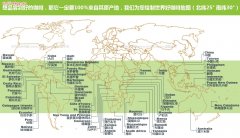
Introduction of well-known individual coffee beans and their origin in the world
Latin American coffee beans (Central and South America) Brazil: Santos, Bahia, Cerrado, Mogiana Mexico: Coatepec, Huatusco, Orizaba, Maragogype, Tapanchula, Huixtla, Plumako
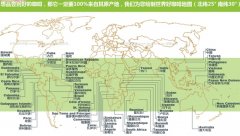
World-famous coffee beans and their origin
Latin American coffee beans (Central and South America) Brazil: Santos, Bahia, Cerrado, Mogiana Mexico: Coatepec, Huatusco, Orizaba, Maragogype, Tapanchula, Huixtla, Plumako

A brief introduction to the Origin, Development, History and Culture of Kilimanjaro Fine Coffee beans with soft acidity
The areas with double-bee rainfall include the provinces around the Lake Victoria basin, the northeast highlands, the coastal and inland northeastern. The bimodal rainfall area is characterized by two rainy seasons, the short rainy season occurs from September to December, the total rainfall can reach 200-500 mm, the long rainy season occurs from March to May, and the rainfall reaches 300-600 mm.

A brief introduction to the History and Culture of the Origin and Development of Kilimanjaro Fine Coffee beans
Making fancy coffee: there are many kinds of fancy coffee. Take Japanese cappuccino as an example. First, make Kilimanjaro coffee beans into hot coffee. 2. Pour hot water into the coffee cup, warm the coffee cup for 2030 seconds, then wipe dry. 3. Put the fine sugar in the coffee cup. Pour in the hot coffee without stirring. 4. Turn the whipped cream from the edge of the cup to the center of the circle.
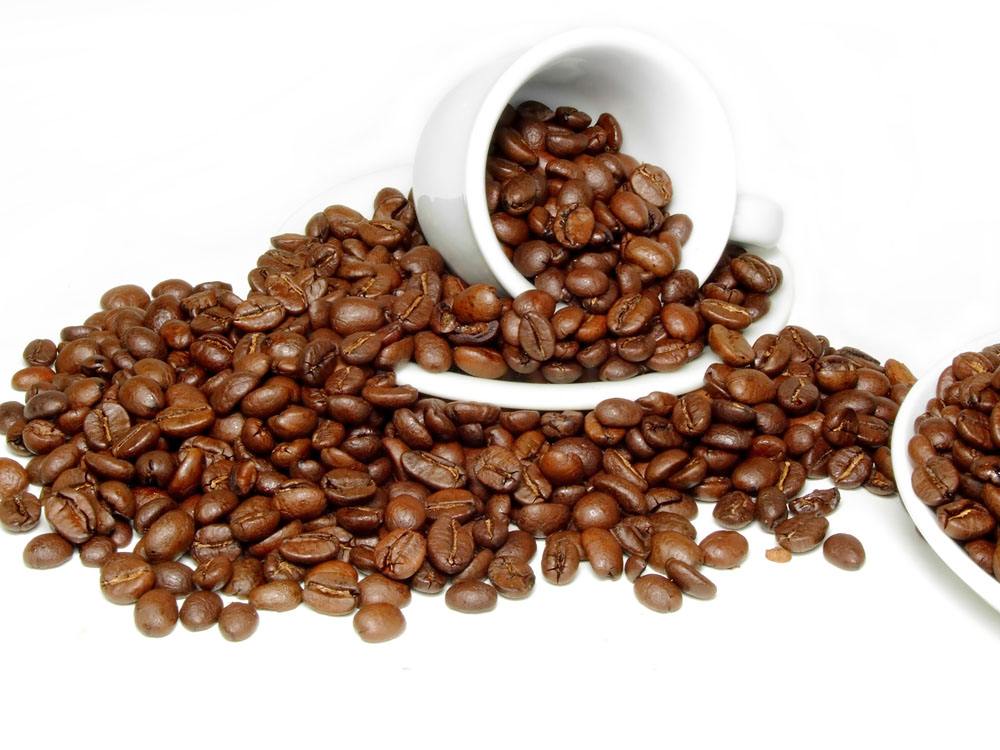
Tanzania coffee beans taste aroma variety introduction
Coffee taste: Tanzania is a typical East African country, bordering Kenya and Uganda in the north, Malawi, Mozambique and Zambia in the south, Rwanda and Burundi in the west. Many people like to compare Tanzanian coffee to their Kenyan neighbors. Compared with Kenya's good coffee beans, Tanzanian coffee has less bright acid and more gentle beauty.

A brief introduction to the History and Culture of the Origin and Development of Kilimanjaro Fine Coffee beans with Woody aroma
Produced in the Mohi district near Mount Kilimanjaro, the mountain area with a height of 3,000 to 6,000 feet is the best place to grow coffee, where fertile volcanic ash gives the coffee a strong texture and soft acidity. It exudes delicate aromas and contains aromas of wine and fruit, making people taste endless aftertaste. After drinking Kilimanjaro coffee, I always feel

The proportion of individual coffee and water, the characteristics of flavor and taste, the origin of varieties
Ratio of coffee to water, flavor and taste characteristics of varieties Origin of the Democratic Republic of the Congo: Kivu, Ituri Rwanda: Kivu) Kenya: AA, Kenya AA Oreti Estate, Uganda: Elgon, Bugisu, Ruwensori

A brief introduction to the History and Culture of the Origin and Development of Kilimanjaro Fine Coffee beans
In early 2010, there was a new trend of political reconciliation in Sangdao, and the Revolutionary Party and the Public RUF reached an agreement on the formation of a Sangdao unity government. In July of the same year, the Sang referendum passed a resolution on establishing a government system of national unity. In November, the general election of Sang was held smoothly, and the government of national unity was established on Sangdao. President Sang, the second vice president and 11 ministers came from the Revolutionary Party. Sang's first vice president and 8.

A brief introduction to the world-famous coffee beans and their producing areas
Latin American coffee beans (Central and South America) Brazil: Santos, Bahia, Cerrado, Mogiana Mexico: Coatepec, Huatusco, Orizaba, Maragogype, Tapanchula, Huixtla, Plumako

Flavor Guide to Coffee Origin: Africa, Asia, America
Finely speaking, the flavor of each type of coffee bean is different, even with each handshake and each Italian extraction, because of the changes in the environment, man-made and the bean itself. But we always say that Ethiopian beans have citrus fruit flavors and delicate floral scents, while Kenyan beans have bright acidity and dry blabla. The former is different.

World famous coffee beans and their origin coffee common sense
Latin American coffee beans (Central and South America) Brazil: Santos, Bahia, Cerrado, Mogiana Mexico: Coatepec, Huatusco, Orizaba, Maragogype, Tapanchula, Huixtla, Plumaco

Where are the advantages of coffee beans from a single producing area? a list of the characteristics and flavors of coffee beans in a single producing area of Starbucks
Professional coffee knowledge exchange more coffee bean information please follow the coffee workshop (Wechat official account cafe_style) if friends like to drink Starbucks, then you must have heard of Starbucks single-origin coffee beans, because Starbucks partners must have enthusiastically recommended, then, what is so special about single-origin coffee beans? What is the special taste of coffee beans in a single producing area?
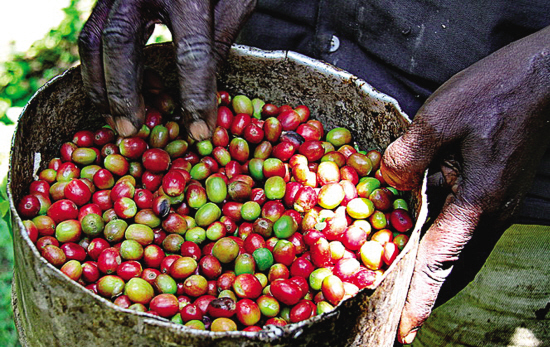
Delicious exotic African coffee African specialty coffee Taste African specialty coffee Taste characteristics
Nowadays, African single-product coffee occupies a place in Fuzhou coffee consumption market with its high-quality characteristics. The reporter learned from many cafes in Fuzhou that more and more people drink single-item coffee, many of whom choose African single-item coffee. Industry insiders believe that more and more people drink single-item coffee, indicating that the coffee consumption market is becoming more and more mature, and consumers 'understanding of coffee is constantly improving.

The difference between Daquan single Coffee and Italian Coffee in Global Coffee producing area
Communication of professional baristas Please pay attention to the coffee workshop (Wechat official account cafe_style) individual coffee, which is made from a single bean of the country of origin and is usually consumed without milk or sugar. Have strong characteristics, special taste: or fresh and soft, or mellow smooth; the cost is higher, so the price is more expensive. For example, the famous Blue Mountain Coffee and Brazilian Coffee
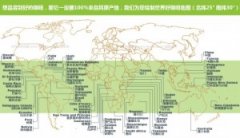
Types of boutique coffee beans world-famous boutique coffee beans and their producing area distribution map
World Fine Coffee Map Latin American Coffee beans (Central and South America) Brazil: Santos, Bahia, Cerrado, Mogiana Mexico: Coatepec, Huatusco, Orizaba, Maragogype, Tapanchula, H